
A Culture of Waiting in Line
A Gentleman in MoscowThis thread traces the line as a Soviet institution and as a place where endurance, community, and political contradiction emerge.
increasing Bearing strength in each event
 decreasing
Bearing strength in each eventdecreasingQueues Become Ordinary

Waiting as Daily Life
Scarcity and Access
Lines form outside shops, labor offices, and public services as goods and opportunities become difficult to obtain. The experience shapes ordinary life far beyond any single queue.
A Shared Condition
People who wait together learn patience and observe one another. The line becomes both a practical inconvenience and a social space.
A Universal Line
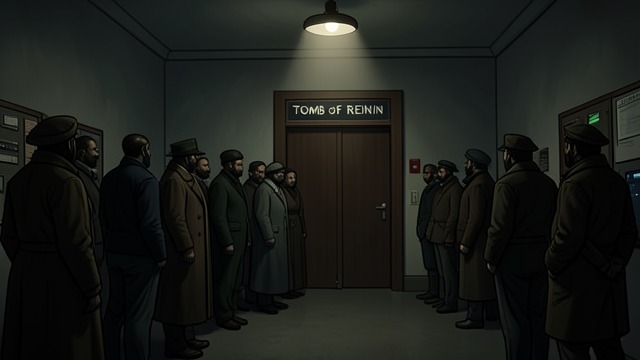
Lenin’s Long Queue
A Visit to the Tomb
A lone traveler sees citizens from across the country waiting to visit Vladimir Lenin’s body. He imagines all Russian queues as one line extending across time.
The Count’s Irony
The line embodies endurance and civility, but also scarcity and the absurdity of waiting for necessities. Its universality gives it both dignity and political weight.
The Line Holds Many Lives
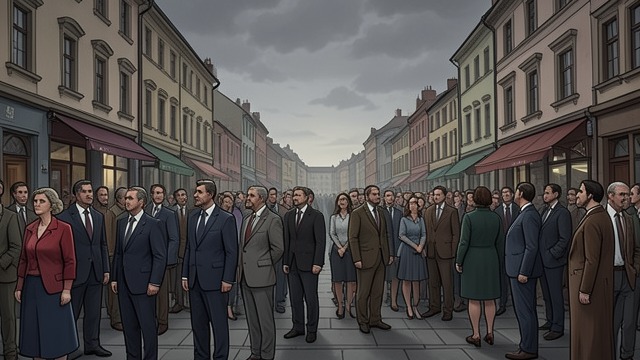
Community in the Queue
Encounters
The line brings together people from distant regions and different social backgrounds. Waiting can foster patience, create conversation, and let strangers recognize one another.
A National Image
The queue reflects a society where public life is organized around delay. It becomes an unofficial institution that teaches the habits necessary to survive shortages.
The Hotel’s Opposite World
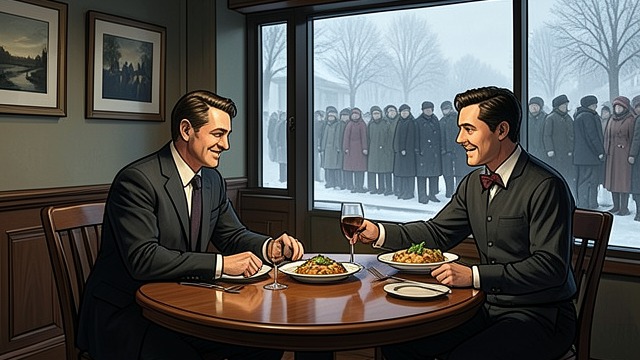
Service Against Waiting
A Different Kind of Access
At the Boyarsky Restaurant, the Count and his colleagues try to anticipate needs and serve guests without needless delay. The restaurant offers a small alternative to the queues outside.
Unequal Relief
The hotel’s polished service remains available only to a limited group. Its efficiency is humane at the table but cannot resolve the shortages beyond its doors.
Waiting at the Final Threshold
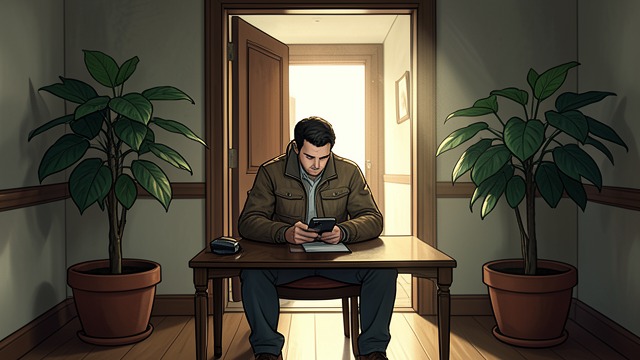
The Count Does Not Hurry
A Quiet Wait
Count Alexander Ilyich Rostov waits in the lobby for the coordinated phone calls to begin. He occupies the familiar chair between the potted palms one final time.
A Different Departure
Unlike those trapped in queues, the Count’s waiting leads to a door opening. He leaves the hotel at the moment he has prepared, turning patience into a means of freedom.
1920s
1946
1946
1946–1954
21 June 1954
